








SKIP TO CONTENT

How to Price A Job

Getting your pricing spot on can make all the difference – not just for winning work, but for making sure the job’s worth doing in the first place. It’s about being fair, competitive, and making sure you’re not short-changing yourself. In this article, you’ll get advice from Tom Easter – a two-time Kitchen Fitter of the Year – who’s been there, done it, and knows what really works. Tom breaks down how to calculate your costs, factor in overheads, and make sure your labour’s priced right. No jargon – just straight-up advice from someone who knows the job inside out.

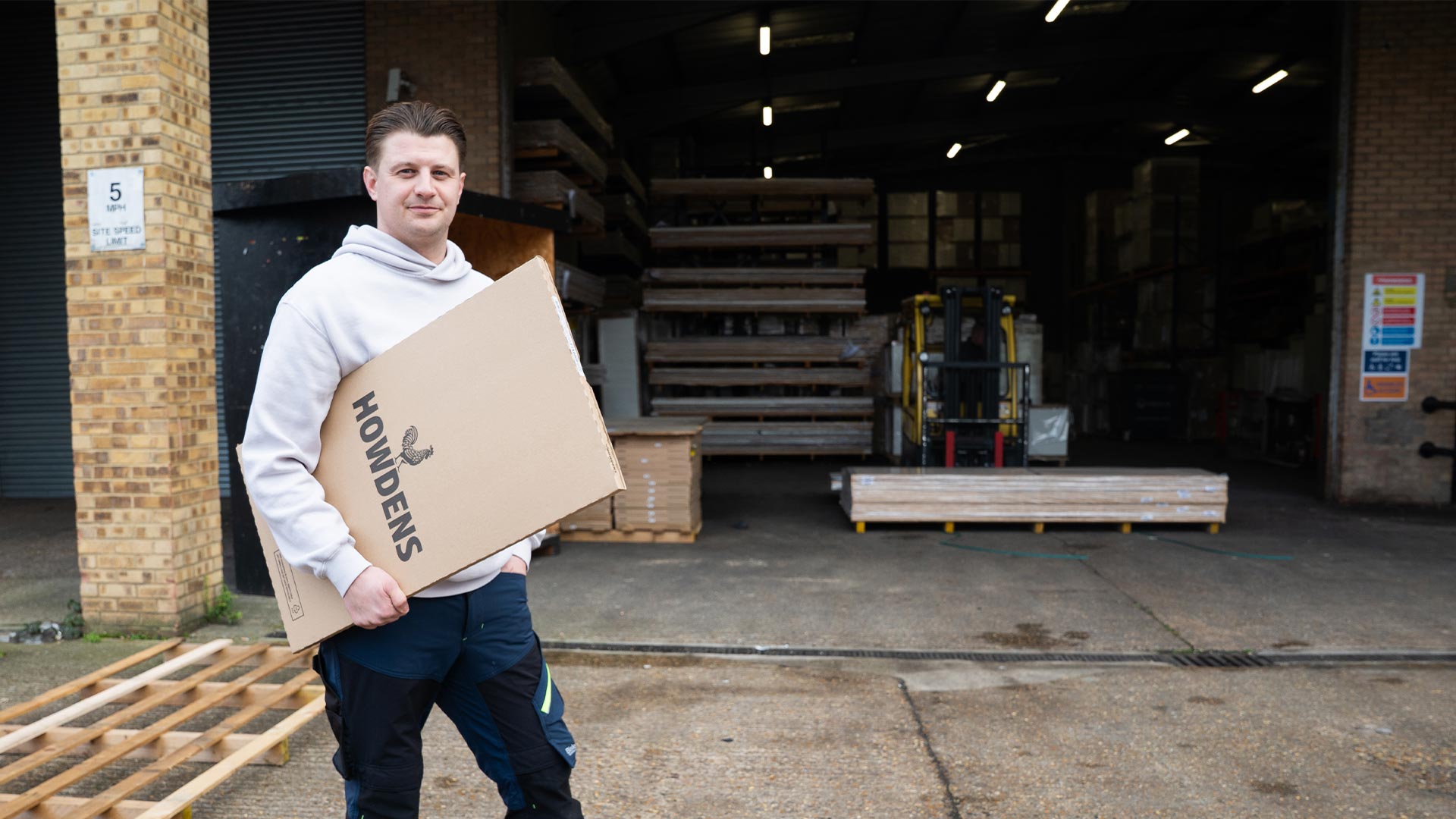
HOWDENS_BUILDER-SHOOT34028-FIN

Meet

Tom Easter

After spending a few years as a maintenance worker, I eventually found my calling - fitting kitchens. I'm now a director of my own company, T&N Developments, where I need to combine the top craftsmanship my customers expect with competitive prices that keep them coming back. I've been lucky enough to win Kitchen Fitter of the Year at the On The Tools Awards not once, but twice, in 2022 and 2024. I've also had one of my kitchens in the top 4 of “Howdens Kitchen Of The Year”. Now, I'm sharing my tips and what I've learnt with you.

  • Experience 16 years
    experience
    in the trade
  • Business Owner Over 10 years
    as a business owner
  • Kitchens Completed 192
    kitchens completed
  • Winner 2022/24
    Kitchen Fitter
    of the Year
In this video, I explain how to ensure the job is worth doing and running a profitable business. This is real insight from someone who's done it day in, day out. Download the factsheet
Disclaimer The information displayed / mentioned is for general information purposes only and does not constitute legal or professional advice. It is recommended that specific professional advice is sought before acting on any of the information given. Neither Howdens nor any of our group companies accept any responsibility for any loss, liability, damages or otherwise which may arise from reliance on or action taken based on this information or for any third-party content. For further information, please visit our Website Terms and Conditions.
1

Estimating Material Costs

Getting your material estimates right is a crucial part of quoting any job. It keeps costs under control, helps avoid nasty surprises, and gives you a better shot at turning a profit.
How to price a job

Material Lists

From timber and worktops to screws, fixings and adhesives, listing everything out upfront in a spreadsheet or notebook helps avoid those last-minute runs to the merchant and keeps my quotes accurate.
How to price a job

Hidden Costs

It's not just materials. Extras like fuel, insurance, or storage can sneak up on you, so make sure you build them into quotes. You want to give the best price for your customers, but it needs to help you grow.
How to price a job

Price Check

To ensure that I'm always getting the best deal I can, I regularly compare suppliers and look out for trade or bulk discounts. This allows me to ensure I am keeping my jobs as profitable as possible.
How to price a job

Wastage

Materials can get damaged during transit or on-site, especially timber, which needs cutting to size. I recommend adding a 10–15% buffer for waste, which helps to keep margins safe and avoid dipping into your pockets.
3

Profit Margin

A healthy margin isn’t a bonus — it’s what keeps your business going. Understanding your margin is key to long-term success. It helps cover your risks, supports future growth, and makes sure every job you take on is actually moving your business forward.
Know Your Bottom Line

Know Your Bottom Line

Work out what you need to earn before you price a job. You should know the minimum profit you need to cover day-to-day costs, running the business, and replacing tools over time. If your quote doesn’t cover that, you’re working for less than you’re worth.
Future Work Cost

Future Work Costs

Small jobs can open big doors. If a job leads to long-term work, big contracts, or repeat business, I always suggest that you be a little more flexible with your margin – as long as it still makes sense for your bottom line.
Price for Skill and Demand

Price For Skill And Demand

Your knowledge, experience, and specialisms add value. Jobs that require more expertise, specialist tools, or are harder to come by should reflect that in the quote.
Flex Your Pricing Where It Makes Sense

Flex Your Pricing

Some work takes more time, comes with more pressure, or happens outside the usual hours. In these cases, it’s fair to charge a bit more for the added effort, skill, or urgency. It helps make sure the job is worthwhile for you and clear for the customer.
4

Estimating Labour

Labour is often one of the biggest costs - and an easy one to get wrong. Estimating it properly helps protect your profit, manage time better, and keep jobs running smoothly.

Hours

Don't just guess the time - break it down. Factor in every part of the job: setup, travel, actual work, clean-up — the lot. This gives a more realistic estimate and helps sole traders make sure their own time is fully accounted for in the quote.

Labour Rates

Put the right people on the right tasks. If you've got a team, make sure everyone's working to their strengths and rates. It keeps things efficient and stops higher-paid trades from getting stuck on jobs someone else could handle.

Tom's trade tip

If work's a bit quieter - maybe it's the time of year - look for smaller jobs to keep things ticking over. Fitting a door, doing a bit of joinery, or picking up a bedroom installation can fill the gaps and keep cash flowing.

Business Builder Series

Whether you're looking to start a new business or already have one, running a trade business can be tricky. To help you build something worthwhile, we cover the basics – from knowing how to invoice to getting savvy on social media. Each topic will advise on best practices and how to run things correctly to set you up for success.

Disclaimer The information displayed / mentioned is for general information purposes only and does not constitute legal or professional advice. It is recommended that specific professional advice is sought before acting on any of the information given. Neither Howdens nor any of our group companies accept any responsibility for any loss, liability, damages or otherwise which may arise from reliance on or action taken based on this information or for any third-party content. For further information, please visit our Website Terms and Conditions.