


Building Relationships With Suppliers
Supplier management can make or break your trade business. Whether you’re just getting started or things are beginning to pick up, getting your supplier management in order should be high on your list. The right trade supplier keeps jobs running smoothly, costs low, and customers happy (and coming back for more). But it’s not just about who can deliver on time. It’s about trust, clear communication, and treating your supplier relations like a long-term part of your business growth. In this article, Dom Edington, an experienced kitchen fitter shares what has worked for him when it comes to managing suppliers and building a solid reputation in the industry. Let’s crack on.
Dom Edington
"I’ve been in the trade for nearly 15 years, and one thing’s clear – the suppliers you work with can make or break a job. From sorting you better terms to stepping in when things go sideways, solid supplier relationships keep the wheels turning. In this video, I’ll share the lessons I’ve learned keeping those relationships strong so every job runs smoother."

-
 17 Years
Experience
in the Trade -
 3 Years
as a Business Owner -
 374
374
Projects
completed -
 Nominated
Carpenter of
The Year
In 2024
1
Finding and choosing suppliers


Finding and choosing suppliers
Word of mouth goes a long way in this game. I always ask other local tradies who they use and rate. But don’t just take their word for it. Go and meet the supplier yourself. You’ll quickly get a feel for who’s professional, who’s helpful, and who understands how trades like ours work. This way, you’ll always find a supplier that works best for you and your business.
What Should You Look For When Choosing A Supplier?When I’m weighing up a new trade supplier, these are the basics I come back to:
Stock Availability
Can they get you what you need, when you need it? Avoid promising your client a next-week deadline, only to discover that stock isn’t available until next month. Keep peace of mind for you and your clients with a supplier who has a strong stock reputation.
Local Support
Is there a depot nearby for last-minute bits? There’s nothing worse that needing a simple tool for a 5-minute job and having to travel over an hour to get it; costing you time and money and chipping away at your profitability.
Trade-Friendly Pricing
Are the prices competitive and built around proper supplier management? Is it cheaper to buy in bulk? How do they compare to other suppliers? Do your research to keep your materials to a high standard without compromising the profitability of your business.
Account Options
Are there different payment options and deadlines? Sometimes things go wrong through no fault of our own, or we need leeway to preorder materials. Having a supplier with account options relieves additional financial strains while you grow your business.
Choosing the right supplier
Price is always a factor. But if it means waiting too long for parts – or worse, using kit that’s not up to scratch – you’ll pay for it in the long run. I’ve found that the right balance looks like this:

Cost Per Unit

Delivery Speed

Product Durability
Price is always a factor. But if it means waiting too long for parts – or worse, using kit that’s not up to scratch – you’ll pay for it in the long run. I’ve found that the right balance looks like this:
Cost Per Unit
Don’t just look at the sticker price; consider total value. Look at suppliers’ bulk offerings and how that compares to buying products individually, you might be able to get a better deal for your business.
Delivery Speed
Track how long orders take to arrive. It’s all well and good if they have an item in stock, but if they consistently take two weeks to deliver, they might not be the right fit for you or your client.
Product Durability
Get samples. Try them out yourself. This is where you build a strong reputation with your clients, you need products with the durability to match the high quality of your craftsmanship for results that last.
How Can You Negotiate Better Deals With Suppliers?
No one wants to overpay. That’s why supplier relations matter; not just for you, but for them. The more work you bring them, the more room you’ve likely got to negotiate. Start with these habits, although find what works best for you and your business:
- Be upfront about what you order regularly
- Ask what they can do for bulk orders
- If something doesn’t feel right for your business, don’t be afraid to walk away

How Do You Build Trust With Suppliers?
Trust cuts both ways. Both sides need to show up and deliver. Stick to timelines and communicate clearly. Don’t overpromise and under deliver. If your project has tight deadlines or special requirements, be upfront about it. The more you’re aligned, the smoother things go.

What’s The Benefit Of Setting Up A Trade Account With Suppliers?
Every supplier offers their own benefits, so make sure to look around. For instance, with Howdens, a trade account gets you more than payment terms. They offer a free home survey and tailored design service, project-specific 3D plans, support with the details and the bespoke needs of the job, and depot staff who actually get to know you and how you work. When your supplier is invested in your success, jobs run smoother, and customers notice the difference between you and other local tradespeople.

How Can Tradespeople Improve Communication With Suppliers?
Start by getting to know your local depot team or account manager. Keep them updated, especially on job timelines. When they understand what’s going on, they can flag problems early or speed things up when needed. This saves a lot of time and grief down the line.

How Do Bulk Orders And Repeat Business Affect Pricing?
Bulk orders can often mean getting better rates. Suppliers prefer repeat customers as it’s more efficient and reliable for them. Over time, good supplier relations can gain you access to priority stock, faster turnaround times, and sometimes even better trade discounts.

DOM'S TRADE TIP
Go into the depots and build that relationship. They'll get an understanding of you, you'll get an understanding of them, and that will help your business run more smoothly.

3
Managing Payments And Credit Terms
 Visit your local depot
 Apply Online
Managing Payments And Credit Terms
Flexible payment terms with suppliers are a lifeline when you are managing cash flow (and help keep supplier relations strong).
What’s The Best Way To Set Up Payment Terms With Suppliers?
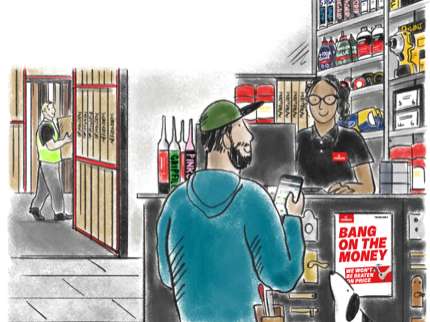
Visit your local depotThe simplest way to set up payment terms is to go into your local depot and speak to them directly. They can take you through the process and make it as simple as possible for you.
Apply Online
If you’re unable to find the time, or would rather do it from home, many suppliers also allow you to apply online.
How Can A Trade Account Help You Build Your Business?
Trade accounts help you to build your business. At Howdens, you get exclusive trade prices and access to kitchens, bedrooms and joinery from stock. There is also a free survey and design service for you and your clients, and you’ll be given payment terms of up to 60 days. All of this helps you manage jobs better and avoid being out of pocket between payments.
Can A Trade Account With Up To 60 Days To Pay Help You Take On More Work Or Grow Faster?A payment term of 60 days gives you the breathing space to take on big jobs without needing all the cash up front. This lets you plan your workload with confidence and put more money into tools, marketing, or even hiring help. This helps you to move from surviving to scaling.
How do exclusive trade prices impact profitability over time?The more you build your relationship with a supplier; the more chance you can improve your margins. With better supplier relationship management, you can get predictable costs for quoting, a faster turnaround on estimates, and a higher profit on each job.
How Do You Manage Supplier Payments To Maintain A Good Credit History?Pay on time. Simple as that. You wouldn’t want to chase invoices – neither do they. And if things get tight, speak up early. As long as you communicate openly, plenty of will be happy to still work with you and discuss alternative payment terms for a period of time. A strong payment track record could also help to unlock better credit terms later.
4
Supplier Relationships For Business Growth
What’s The Best Way To Set Up Payment Terms With Suppliers?




Supplier Relationships For Business Growth
A solid supplier relationship isn’t just about today’s job; it sets you up for what’s next.
What’s The Best Way To Set Up Payment Terms With Suppliers?
How Can Strong Supplier Relationships Benefit Your Business?
When things go sideways onsite (because let’s face it, they will), having a supplier who’s got your back makes all the difference. A reliable supplier will prioritise your orders, help you find quick fixes, and even flag supply issues before they impact you.
That’s what I call a silent partner.
Can Suppliers Help Tradespeople Find More Work?
Yes, some can. Take Howdens: they make a choice of business cards from local tradespeople available in many of their depots, for homeowners looking for fitters. Build your reputation with a trade supplier, and you could end up with your card being available to choose from too. Extra leads, with no extra marketing needed.
Whatʼs The Best Way To Get Exclusive Discounts Or First Access To New Products?
Be loyal and stay in touch. Asking can sometimes begin a conversation as to how you could be eligible for discounts. Suppliers may often reward traders who engage with them with initiatives such as early access to new kit, quiet-month discounts, and invites to trade-only events or demos.
How Do You Handle Supplier Disputes Professionally?
I’ve had a lot of experiences in my time as a business owner, and these approaches have served me well. Firstly, keep calm. Don’t fire off angry emails and always remain professional. Gather the facts. Check what was ordered, what was delivered, and when. Talk to your contact, as most depot teams will sort issues fast. Don’t be afraid to use your track record. If you’ve been a solid customer, they’ll work to keep it that way.


From what I've seen, strong supplier relationship management is what separates good businesses from great ones. Nail your supplier relationships and you'll spend less time chasing stock and juggling payments, and more time growing your business.
Business Builder Series
Whether you're looking to start a new business or already have a small company, running a trade business can be tricky. To help you build something worthwhile, we're covering the business basics - from knowing how to invoice to getting savvy on social media. Each topic will advise on best practices and how to run things correctly to set you up for success.



Open a Trade Account online
APPLY NOW
Disclaimer
The information displayed / mentioned is for general information purposes only and does not
constitute legal or professional advice. It is recommended that specific professional advice is sought before acting
on any of the information given. Neither Howdens nor any of our group companies accept any responsibility for any
loss, liability, damages or otherwise which may arise from reliance on or action taken based on this information or
for any third-party content. For further information, please visit our Website Terms and Conditions.